[MOVIE]
Edition History
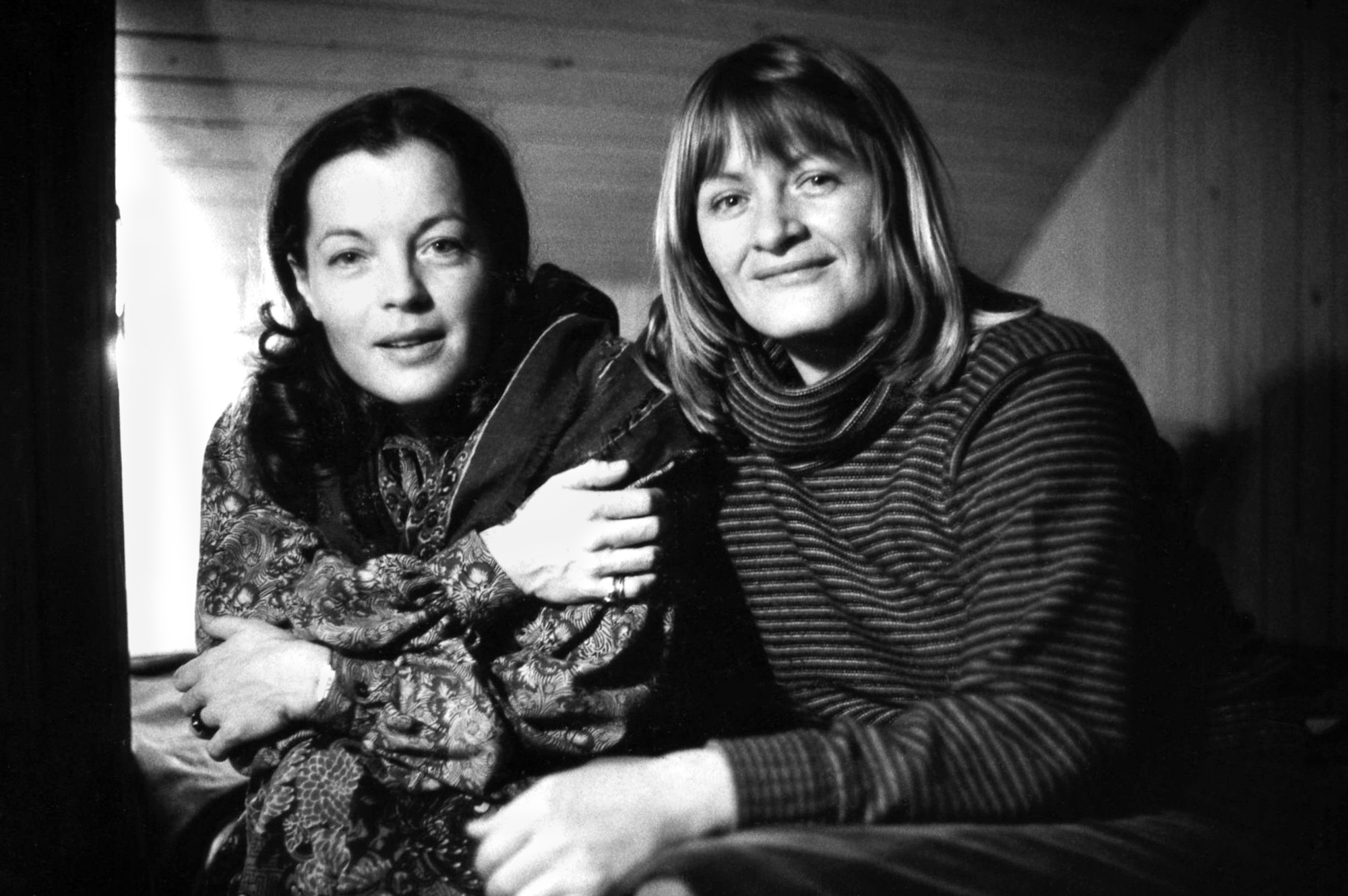
12 December 1976. Snowflakes dance above Cologne Cathedral. Nearby, in a small office that looks like a ship’s cabin, Romy Schneider confides to a woman, Alice Schwarzer, the most committed German feminist of the era, and founder of the journal “Emma”. No cameras are present. Romy Schneider is 38 years of age and at the height of her fame. She has stopped giving interviews, but she wants to use this journalist as a mouthpiece, to say everything that she has never been able to say. “I want this piece of yours to stun people,” she says in French. Retracing her life step by step, alternating between France and Germany, she sometimes evokes painful experiences. At times, she asks Alice to switch off the tape recorder, especially when she talks about her mother, Magda, a star under the Third Reich, suspected of having had an affair with Hitler. She suggests too, without actually saying so, that her stepfather abused her. Forty years later, Alice Schwarzer, entrusts recorded extracts of this conversation to Patrick Jeudy. In front of his camera, she recalls this extraordinary night, painting a no-holds-barred portrait of a young Austrian actress, famous for playing Sissi, who became a huge star in the 1970s, and emphasises the many conflicting sides to Romy Schneider’s nature: brave but fearful, rebellious yet conventional, immensely talented and undermined by huge self-doubt. And that is how Romy Schneider appears in this film, which is packed with rare archive material, including private footage belonging to Eva Braun that shows Romy’s mother Magda smiling beside Hitler. The result is a precious documentary film that throws a new light on the star’s complex relationship with the two different countries she considered her own: Germany, the land of childhood trauma, and France, forever associated with Alain Delon and her first heartbreak. “I am French now,” she says, “everything German is painful”. But when anger rises, it is German words that come back, flooding out the language of her heart.
Gian Luca Farinelli

December 12th, 1976. Snowflakes dance above Cologne Cathedral. Nearby, in a small office that looks like a ship’s cabin, Romy Schneider confides to a woman, Alice Schwarzer, the most committed German feminist of the era, and founder of the journal “Emma”. No cameras are present. Romy Schneider is 38 years of age and at the height of her fame. She has stopped giving interviews, but she wants to use this journalist as a mouthpiece, to say everything that she has never been able to say. “I want this piece of yours to stun people,” she says in French. Retracing her life step by step, alternating between France and Germany, she sometimes evokes painful experiences. At times, she asks Alice to switch off the tape recorder, especially when she talks about her mother, Magda, a star under the Third Reich, suspected of having had an affair with Hitler. She suggests too, without actually saying so, that her stepfather abused her.
Forty years later, Alice Schwarzer, entrusts recorded extracts of this conversation to Patrick Jeudy. In front of his camera, she recalls this extraordinary night, painting a no-holds-barred portrait of a young Austrian actress, famous for playing Sissi, who became a huge star in the 1970s, and emphasises the many conflicting sides to Romy Schneider’s nature: brave but fearful, rebellious yet conventional, immensely talented and undermined by huge self-doubt. And that is how Romy Schneider appears in this film, which is packed with rare archive material, including private footage belonging to Eva Braun that shows Romy’s mother Magda smiling beside Hitler. The result is a precious documentary film that throws a new light on the star’s complex relationship with the two different countries she considered her own: Germany, the land of childhood trauma, and France, forever associated with Alain Delon and her first heartbreak. “I am French now,” she says, “everything German is painful”. But when anger rises, it is German words that come back, flooding out the language of her heart.
Gian Luca Farinelli