[MOVIE]
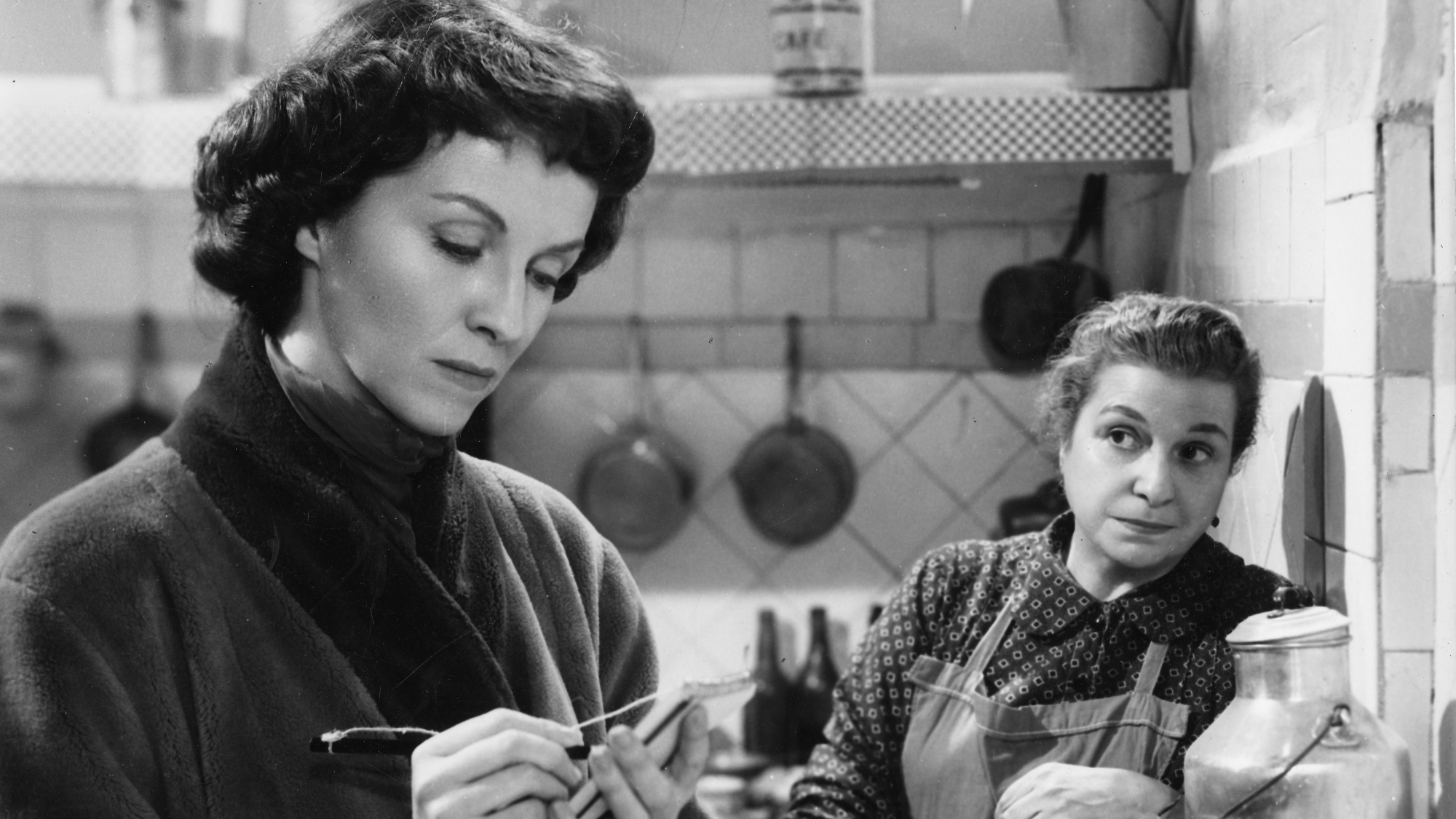
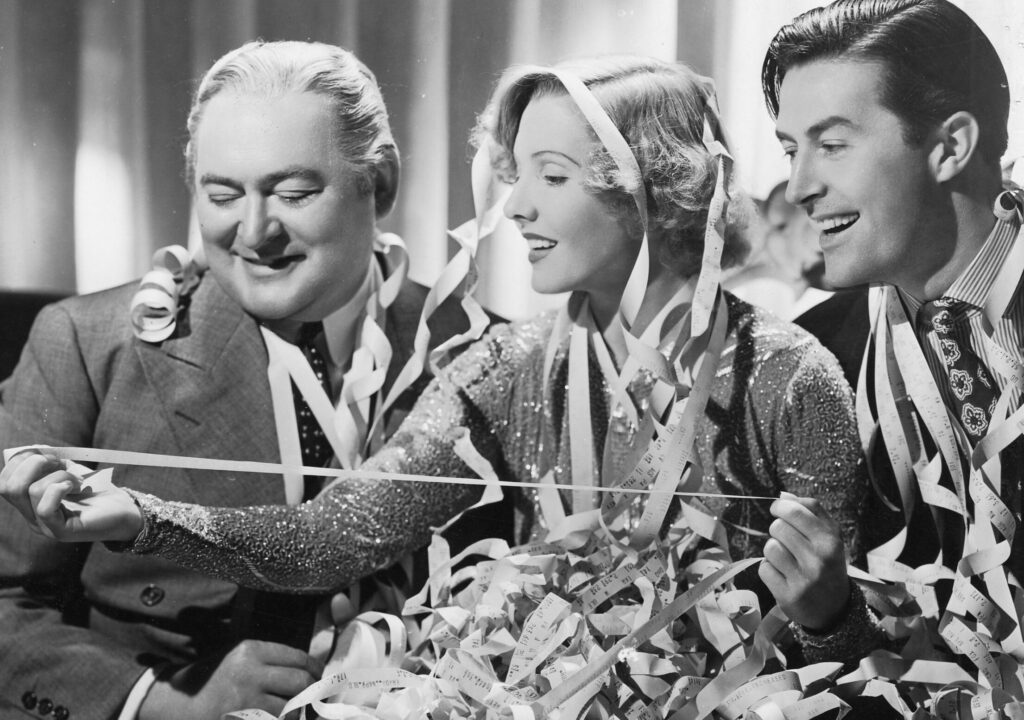
T. it.: Calle Mayor; Sog.: dall’opera teatrale “La señorita de Trévelez” di Carlos Arniches; Scen.: Juan Antonio Bardem; F.: Michel Kelber; M.: Margarita de Ochoa; Scgf.: Enrique Alarcón; Cost.: Humberto Cornejo; Trucco: Carmen Martín; Su.: Fernando Bernáldez; Mu.: Joseph Kosma, Isidro B. Maiztegui; Ass. R.: Marcelo Arroita Jáuregui, José Puyol; Int.: Betsy Blair (Isabel), José Suárez (Juan), Yves Massard (Federico), Dora Doll (Tonia), Lila Kedrova (Papita), Luis Peña (Luis), Alfonso Goda, Manuel Alexandre, José Calvo; Prod.: Cesáreo González, Manuel J. Goyanes 35mm. L.: 2715 m. D.: 99’. Bn.
Edition History
That Bardem choose the american actress Betsy Blair to play Isabel and that the callous coterie is somewhat reminiscent of the young idlers in I vitelloni obviously invite comparison with Marty and Fellini’s film. Bardem, too, has been criticized for being influenced by other director’s work. His approach has been called “cold” and his style said to be “mannered”. With all this I do not agree.
I find the handling of his characters full of warm understanding, far more sensitive and true and normal than in most of Fellini. Betsy Blair’s Isabel is a beautifully observed character in the round. She plays it with a radiance and a depth of feeling that come only from real artistry.
The so-called “mannerisms” are far less conspicuous than in Muerte de un ciclista. Bardem is especially interested in the time- and-place continuity transitions of his script. At moment he achieves brilliant success with a daring few directors or editors would risk or even think of. This is not a “mannerism” to be denigrated but an originality of style that reminds me of Kubrick’s equally original and brilliant continuity in that excellent thriller last year, The Killing, a picture that Bardem is unlikely to have seen before he made Calle Mayor.
Paul Rotha, Films and Filming, November 1957

Following Muerte de un ciclista, which unfolds in the upper-bourgeois milieu of a large city, Juan Antonio Bardem turned his attention towards an apparently different world, placing at the centre of his story a character, social class and situation he considered particularly emblematic of another kind of oppression. Calle Mayor marked a new stage in his journey exploring and criticising a reality he felt should be corrected. The story is that of a lower-middle-class spinster caught in the grip of an implacable living arrangement. The evolution of the plot, the development of relationships between characters, their conversations and their behaviour are in reality superficial artifices – mechanisms designed to reinforce the context’s uncompromising nature. The only thing the characters of Calle Mayor can change is their own consciousness. While Bardem’s primary source of inspiration is literature, with references as varied as García Lorca’s Doña Rosita the Spinster and Carlos Arniches’s La señorita de Trévelez, the finishing touch that endows the film with its particular expressive quality is the setting, created through location shooting in several Spanish cities. The realist intention is clear, despite the censors insisting during pre-production that the film should have no specific context. But the context was there, and it was not hidden: the Francoist censorship apparatus relentlessly interfered with the script and shooting (Bardem himself was arrested). Despite this, the film remained visible, reaching audiences and critics, including in Spain. m
Valeria Camporesi