[MOVIE]
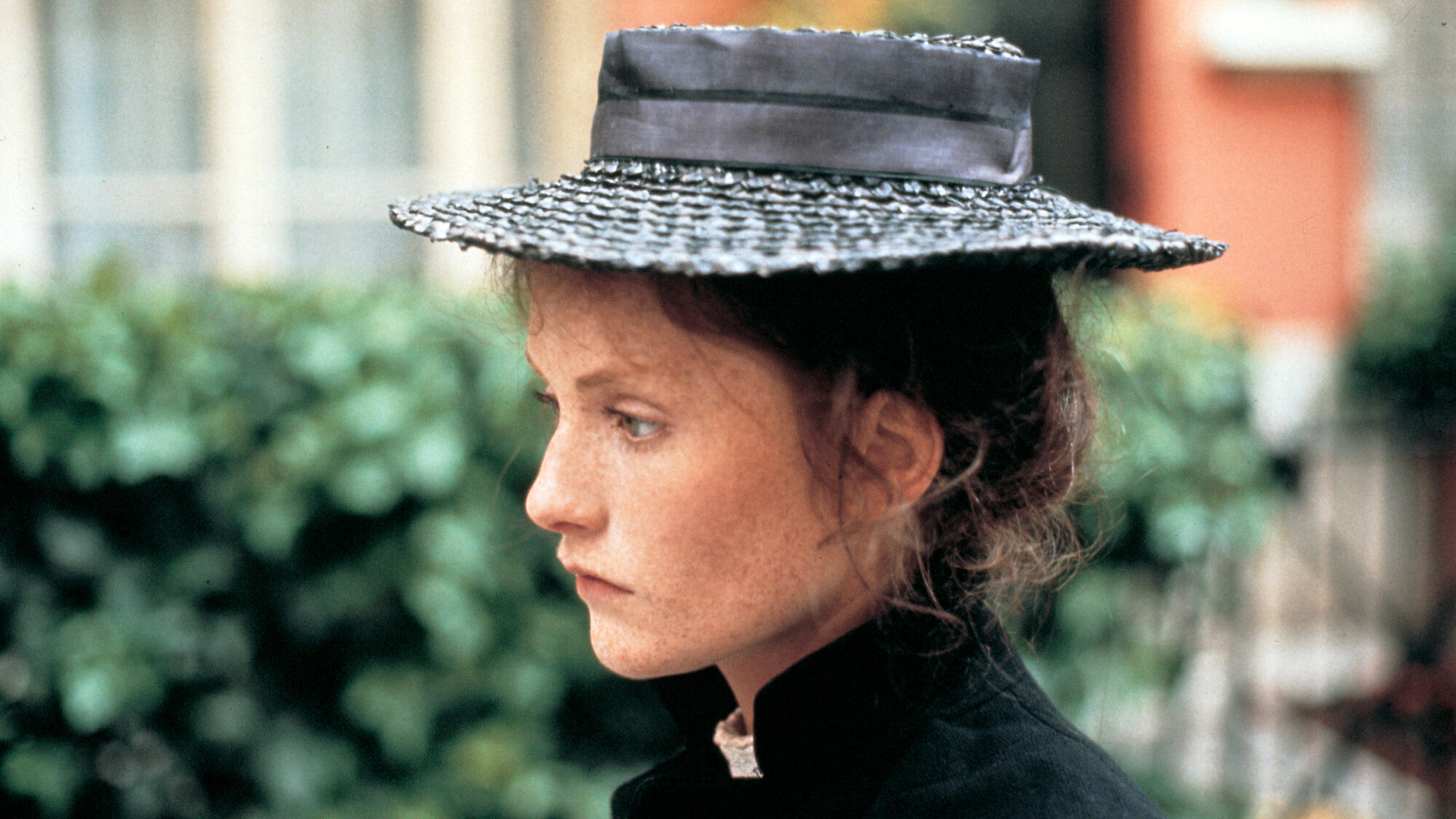
The Cinémathèque française is particularly invested in the work of Liliane de Kermadec, an independent and committed filmmaker who, shortly before her death in 2020, had made arrangements to bequeath her entire archive. An actress, then a set photographer in the early 1960s on films such as Varda’s Cléo from 5 to 7 and Muriel by Resnais, she moved on to directing, encouraged by her peer artists (Varda, Demy, Resnais and Marker) who guided her creative sensibility.
Aloïse, which she wrote with André Téchiné and shot in 1974, is without doubt her best-known film and it highlights her attraction to fragile and quirky artistic figures. Filming two iconic actresses, Isabelle Huppert (in one of her early roles) and Delphine Seyrig (already committed to feminist values and other causes), Liliane de Kermadec tells the story – through these two quiet voices – of the tortured life of Aloïse Corbaz, the outstanding Swiss exponent of art brut. In 1918, shortly after World War I, she was hospitalised after suffering from psychological problems and remained in an asylum until her death in 1964. The first part of the film is devoted to the young Aloïse, wide-eyed and full of life, in a bright and colourful environment. The filmmaker then shifts the focus to her years of confinement in the sad, closed world of the asylum. Like the patients’ attire, the décor is monochrome and sombre, and it’s possible to detect the harmonious and painstaking work of Jean Penzer, who provides an admirable unity of tone. Thus, the visual climate translates Aloïse’s unfathomable and confused thoughts. Fragments of conversation between the doctors imply that the patients might have fared better under a more modern regime. The tone is incisive and the narrative audacious. This keeps the spectator in a state of suspense, and the slow and compelling pace feels right. Eventually Aloïse took up writing and painting, rediscovering the colours of life and the wallpaper of her childhood.
Hervé Pichard
Courtesy of TF1 Studio. Restored in 4K by TF1 Studio, La Cinémathèque française and Cinémathèque suisse at Hiventy and Transperfect laboratories, from the original negatives