
Film notes
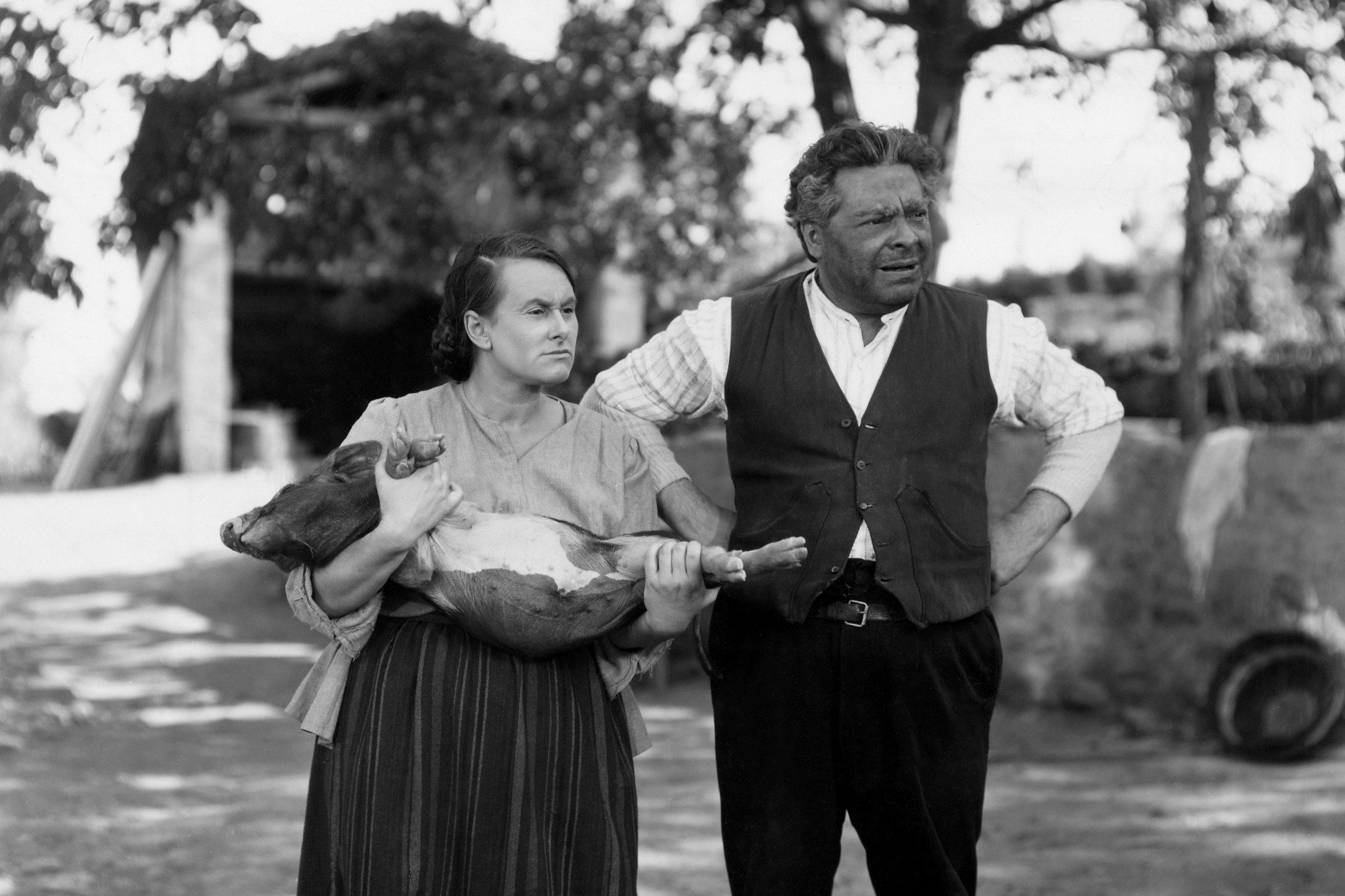
Neorealism takes the form of a goodhearted comedy that revisits recent tragic events, moving from the city to an idyllic rural world, but one that has its dark side too. In a village in the Apennines at the end of the war, Uncle Tigna (Fabrizi), a farmer, hides two soldiers in his home, one of whom is black. The old man helps the two fugitives not for the sake of justice or freedom but because they “have a family”. He finds himself caught between the suspicions of a fascist official, the cautious support of a socialist doctor and the cautiousness of the parish priest.
“Zampa’s rural small town is peaceful, humanitarian, tolerant and not racist; and the tolerance towards Joe, the black soldier, is all the more surprising since the character, regardless of his race, acts like a total idiot. Fabrizi is the symbol of a small-world Italy imagined originally by Guareschi, a benevolent curmudgeon straight out of a 19th-century comedy. He is the film’s ideological core: the Italian who wants to live in peace and does not understand human cruelty, without realising that he comes from a different historical time and the limits of his perspective are shaped by another era. Fabrizi (who is also rightfully credited as co-screenwriter) is a director within each image, imposing his acting pace on the découpage. Shots and editing are adapted to his movements, his wide, open-eyed looks and mumbling. As befits a theatre legend, he is given a final close-up, a lengthy and melodramatic death scene” (Alberto Pezzotta, Ridere civilmente. Il cinema di Luigi Zampa, Edizioni Cineteca di Bologna 2012).
Emiliano Morreale