Film notes
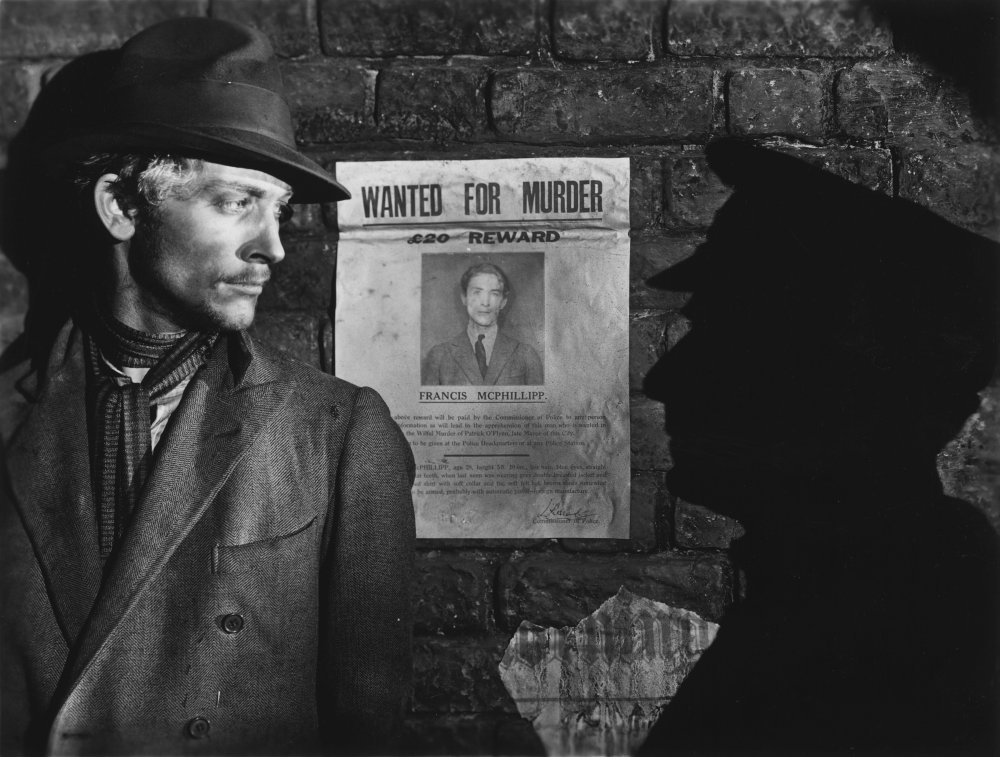
The 1929 film of Liam O’Flaherty’s The Informer has all the hall marks of a classic Hollywood noir – just a decade too early and an ocean away. It was a top class production by British International Pictures, made with the kind of cosmopolitan team typical of later 1920s European film; an American/German director, Arthur Robison, best known for Warning Shadows (1923), German cameramen Werner Brandes and Theodor Sparkuhl (a key figure for the noir ‘look’ spanning German expressionism, French poetic realism and classic American noir). The ‘A’ list stars included the Swedish Lars Hanson and the beautiful Austro-Hungarian, Lya de Putti.
Set in the revolutionary ferment of the newly independent Ireland, among a cadre of poor political activists, this silent version captures the essence of the novel, that atmosphere of a world without possible escape, very like the ‘closed system’ of later film noir. Robison’s filmmaking style reflects this; less ostentatiously arty than Dupont or Murnau, his design has one foot in the 1930s. He filmed it almost entirely in the studio, in close-up and mid-shot, to give it a cramped feel, and set it in near ‘real’ time, like the novel over a day and a night, which gives it that noir-ish tension.
There is a lovely noir moment when Gypo (Hanson) who has betrayed his friend and Party, is at the train station trying to leave town, when an innocent appeals to his better nature to help her escape using the very blood money he received for informing… but as John Sayles says “there is no out-of-town in film noir”. It was adapted again by John Ford (O’Flaherty’s cousin) in 1935 and again as Uptight in 1968, relocated to the black American community of Cleveland – by noir director par excellence, Jules Dassin.
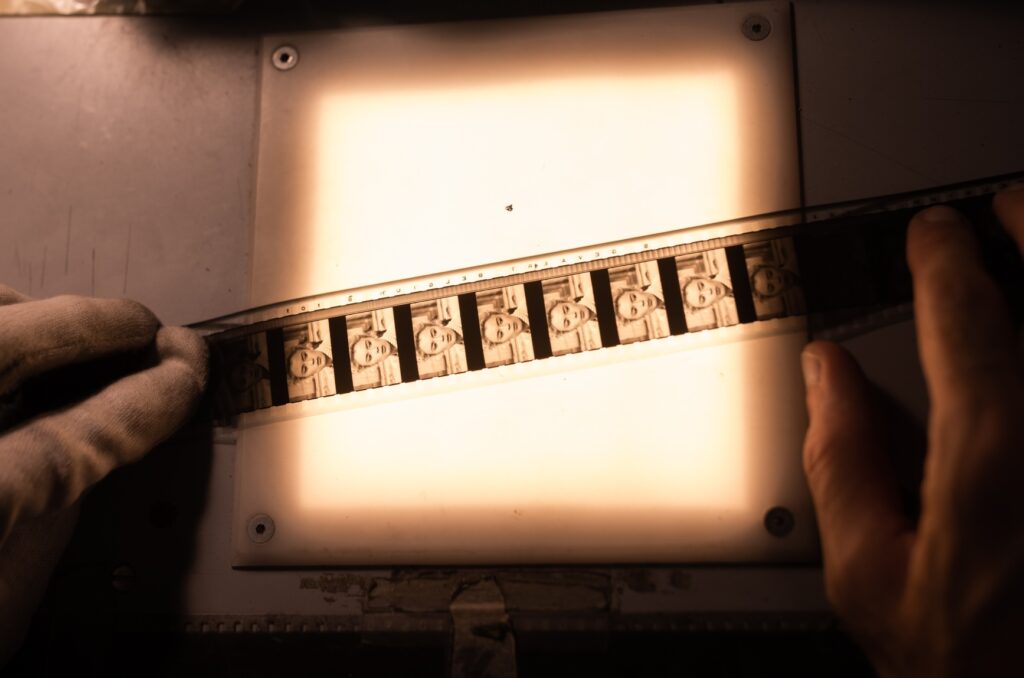
The BFI – National Archive new restoration of this classic silent is presented with a beautiful new score by Irish composer and violinist Garth Knox.
Bryony Dixon