
Film notes
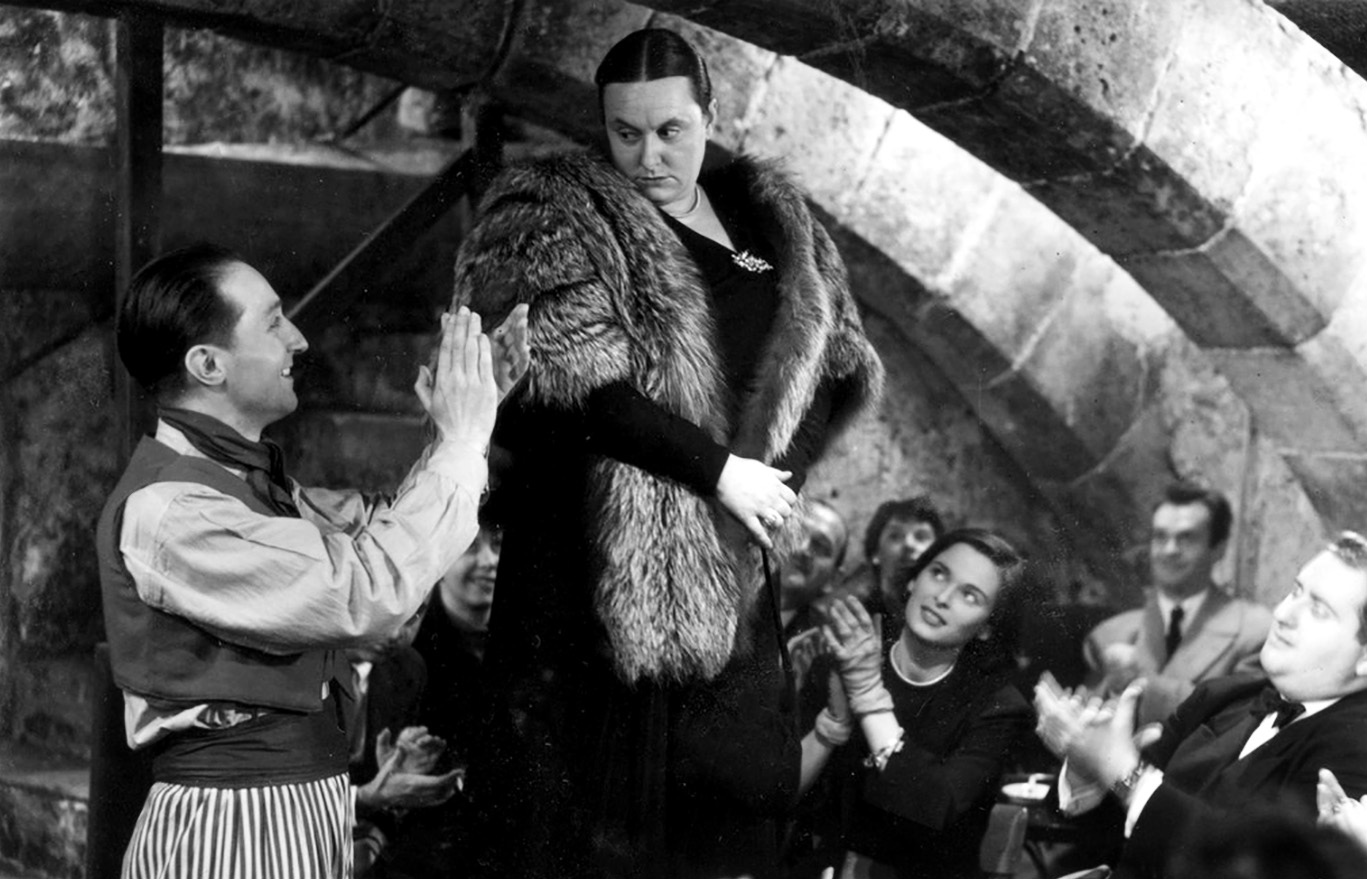
The film deals, in short, with a convoy of tourists who travel to Paris to watch a France-Italy football match. Their stay in Paris only lasts one day – the time that Emmer needs to narrate a varied sequence of events. […] The tourists of Parigi è sempre Parigi are, to varying extents, all characterised as lady-killers. A mature man dreams of a romantic adventure with a mannequin or a café-concert dancer; a young man turns his nose up at the conquest of a cosmopolitan lady; two Roman youths content themselves with a maid; and a delicate and innocent youth, whose story provides the films with its moral, ends up with his very first encounter: the newsvendor at the station. He is the only one who succeeds in having a love affair because he is the only one following a genuine feeling. The others pursue the conventional mirage of Paris as a city of vice and easy affairs and thus end up disappointed.
The living embodiment of this delusion is the figure of the baron, a pitiful resident of Paris who gets by working as a human sandwich-board. He is one of the best characters in the film and the enormous bottle of mineral water that he drags around for publicity is a strikingly effective, almost surreal image. […] Emmer has a delicate touch and his sense of humour is almost always refined and in good taste […]. A careful and skilful screenplay and restrained performances help the film to avoid the many pitfalls it could have fallen into.
Alberto Moravia, “L’Europeo”
26 December 1951