
Film notes
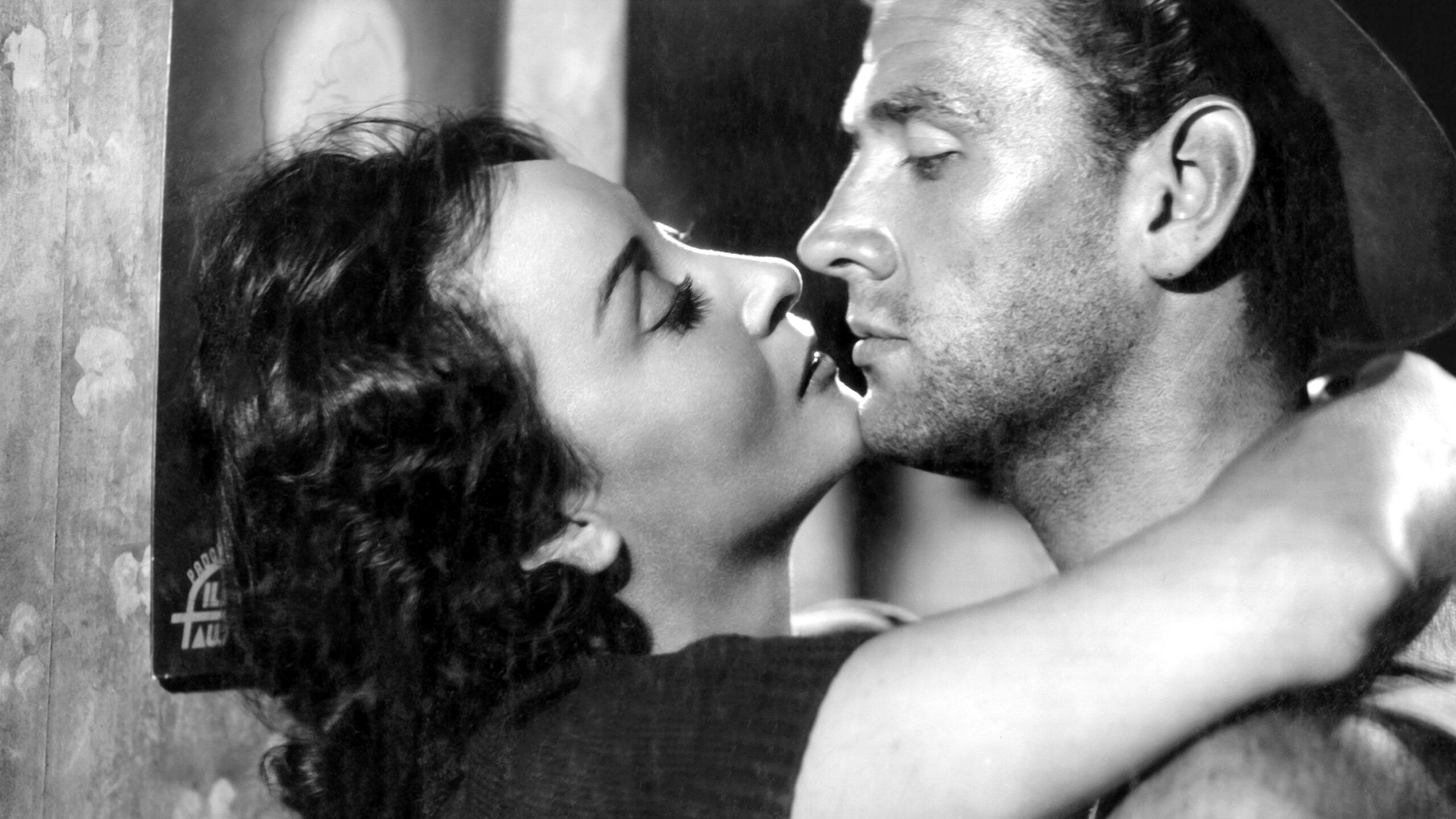
Ossessione Luchino Visconti created in Ossessione a work that is generally considered a precursor of neorealism. Today’s viewer, whose expectations of neorealism might orientate towards a sober newsreel-like approach to everyday life, may be astonished by the bold stylisation achieved by this specialist in opera and classical tragedy. Visconti’s people instantly emit a marvellous electricity familiar from Chaplin, Stroheim and Renoir: a dynamism that seems to reflect an entire world view, also registering a sense of stagnation, while all the time, however, mighty forces of change are brewing. The landscape and the milieu are bathed in a curious light, in which local detail and the general atmosphere appear in a unique combination of objectivity and a mysterious interiority. The inn, the scene of the crime, emerges as a symbolic launchpad for modern cinema. During the filming of an even earlier precursor of neorealism, Toni, the young Visconti entered the circle of Jean Renoir, who recommended to him James M. Cain’s novel The Postman Always Rings Twice. It inspired Albert Camus to write The Stranger (1942) and Visconti to direct Ossessione. From this unexpected source in American hard-boiled fiction, a whole new Italy was born. The desolate energy of Ossessione is already present in Cain’s text. This does not diminish Visconti’s originality. Ossessione, like White Nights, is a timeless work by the master of the historical film. Visconti achieves a rupture in real time, the period of fascism, by promoting a rebirth of the senses in a screen culture programmed to deny them. When a person in Visconti’s film regains his natural, free dimensions, they include the power to dream – a repressed capacity in the era of “white telephones”. Unreciprocated passions and short-circuited dreams may become destructive, manifested as crime on the social level and self-deception on the individual one. Dreams turn to ashes. The shared moment of Gino and Giovanna is fleeting, inseparable from the sting of death.
Peter von Bagh, Taikayö [Magic Night], Love Kirjat, Helsinki 1981. Edited in English by Antti Alanen