


Film notes
A deliberate break with the light, comedic tone of his widely celebrated Maskerade, Willi Forst’s follow-up explored much darker paths – and proved to be another resounding success. In fact, Mazurka was one of the few German films of the Nazi era that also connected with international audiences. Paul May directed an almost shot-for-shot Hollywood remake titled Confession in 1937, starring Kay Francis.
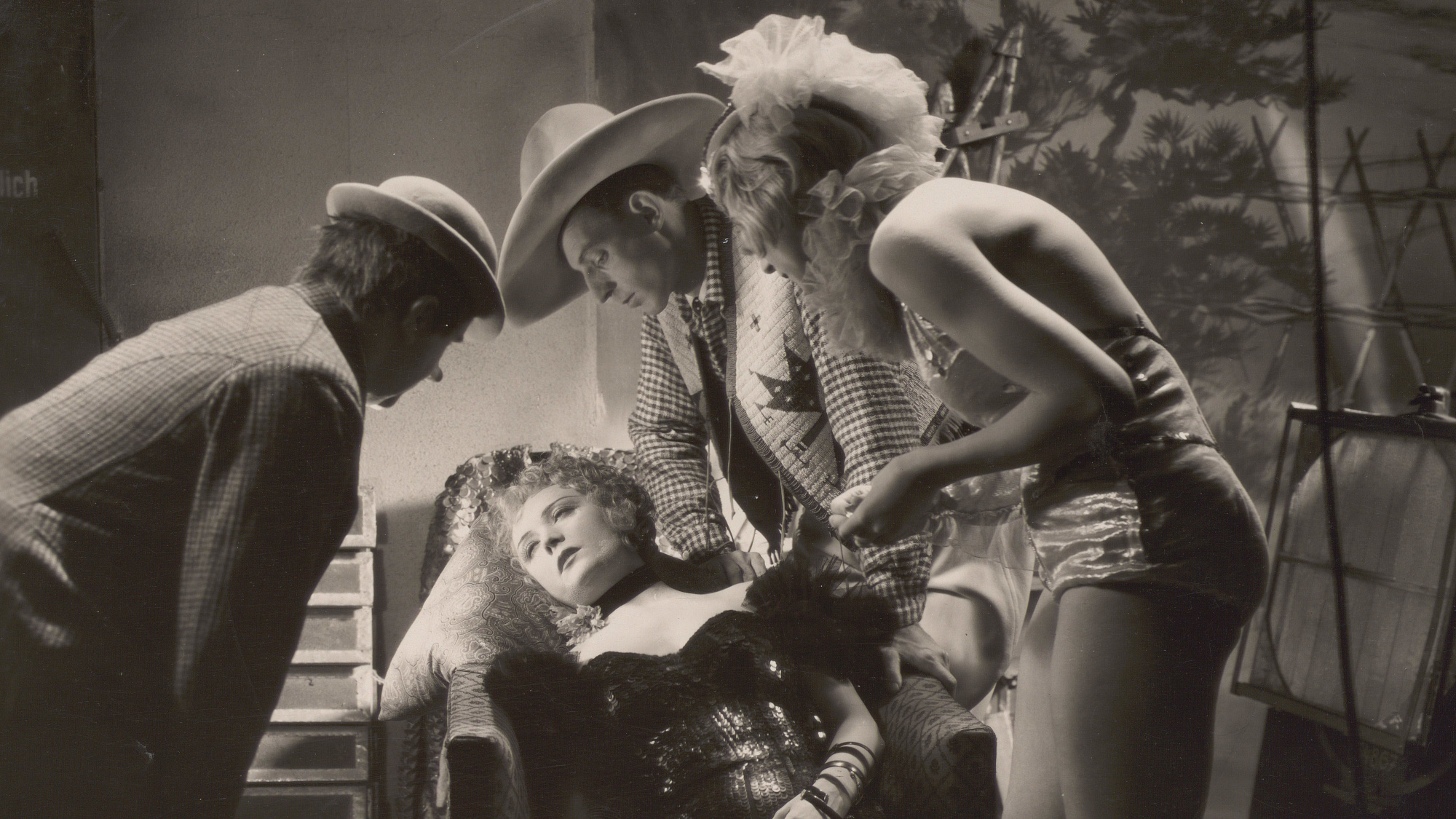
The original actress was arguably an even bigger star: Mazurka was the first German film of silent-era legend Pola Negri in 15 years. She plays Vera, a singer aggressively pursued – and ultimately raped – by composer Grigorij Michailow (Albrecht Schoenhals). Years later, Vera’s estranged daughter Lisa also meets Grigorij. History is about to repeat itself.
Combining a narrative driven by chance, intricate stylisation and the use of music as a plot device, Mazurka evokes masterpieces by directors such as Douglas Sirk, and even Hitchcock. The melodramatic tale, culminating in an emotionally high-pitched murder trial, unfolds in intricate flashbacks. Experimenting with subjective camera angles and expressionistic decor, Forst widens the stylistic scope of his cinema, incorporating layered temporalities and silent-movie techniques. First of all, though, Mazurka is one of his strongest statements about the deeply ambivalent power of music, a force that can elevate, but also destroy people. When Grigorij tells Vera that it is the “deepest desire of every melody to pursue unity”, this is both a perfect description of Forst’s symphonic approach to filmmaking, and a sexual threat.
Lukas Foerster