
Film notes
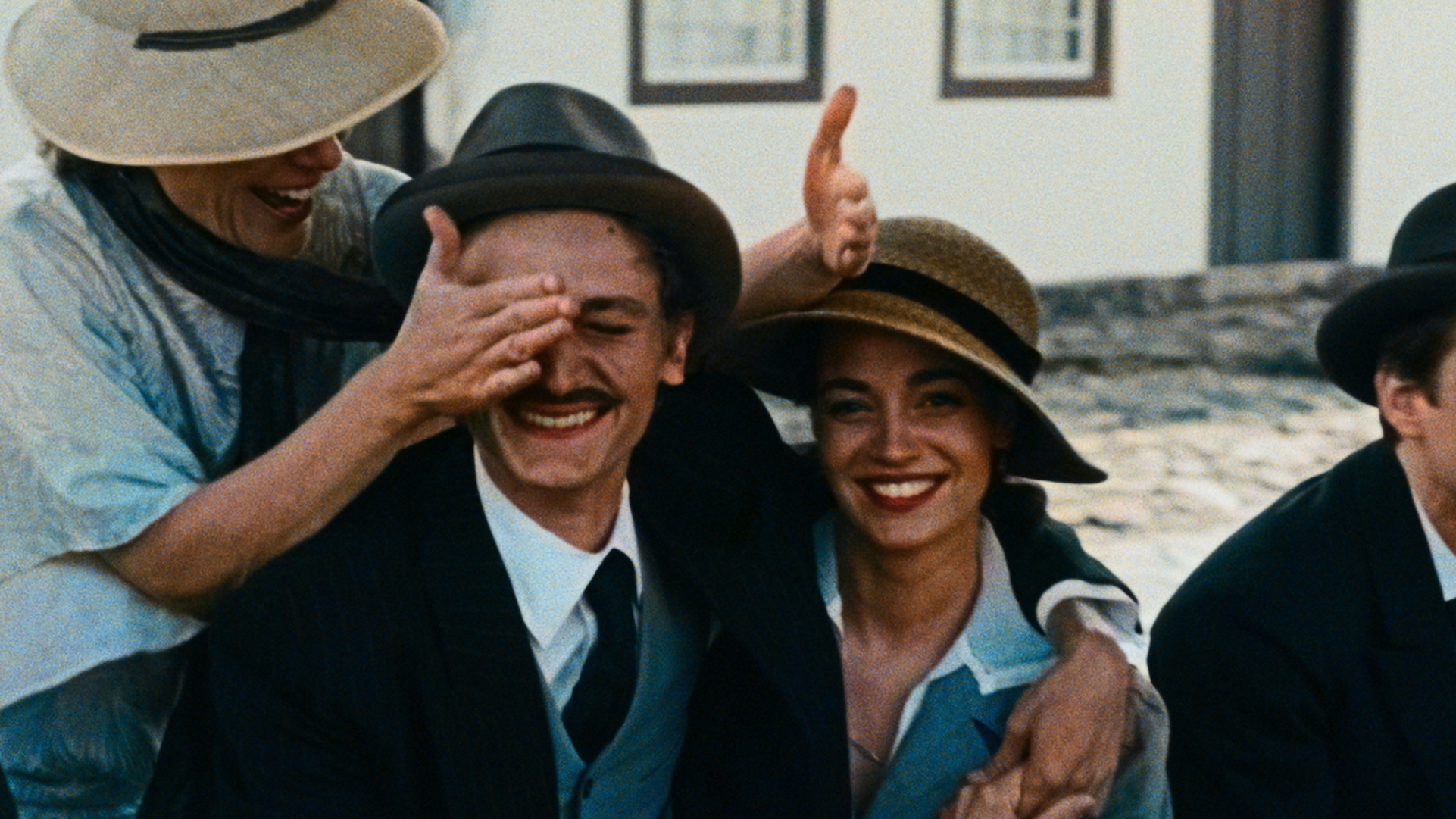
L’Age d’or spans much of the 20th century. We are well acquainted with the events that shaped this century – its wars, social movements, economic upheavals and the relentless pursuit of technological, scientific and military progress. Less familiar to us, however, is history as seen from below: that of ordinary men and women who lived within their own time, without the historical perspective we possess today, and therefore without a clear compass to guide their choices. It is this other history that L’Age d’or recounts. Like many people of my generation, I feel that the lives of my grandmothers and great-grandmothers were somehow stunted. From being “someone’s daughter”, they became “someone’s wife”, then “someone’s mother”, and the stories of their lives never reached us – either because they were deemed unworthy of being passed on or because these women were never truly allowed to live life for themselves, compelled instead to follow a predetermined path. Behind my fascination with Jeanne, the film’s protagonist, lies an interest in what remains off-screen, conserved in the archives. How many working-class women, swept along by the great tides of history, do we glimpse in archival footage, often in the background, beside men, or lost in the anonymity of a group of women: factory workers, nurses, washerwomen? In the images that have survived from the beginning of the 20th century, it is rare to see an ordinary woman filmed alone, centre frame, with the intention of depicting her and her alone. Together with Virginie Legeay, I conceived Jeanne from this missing image. By following her journey through the 20th century, I wanted to take a side road through the grand narrative of history.
Bérenger Thouin