Film notes
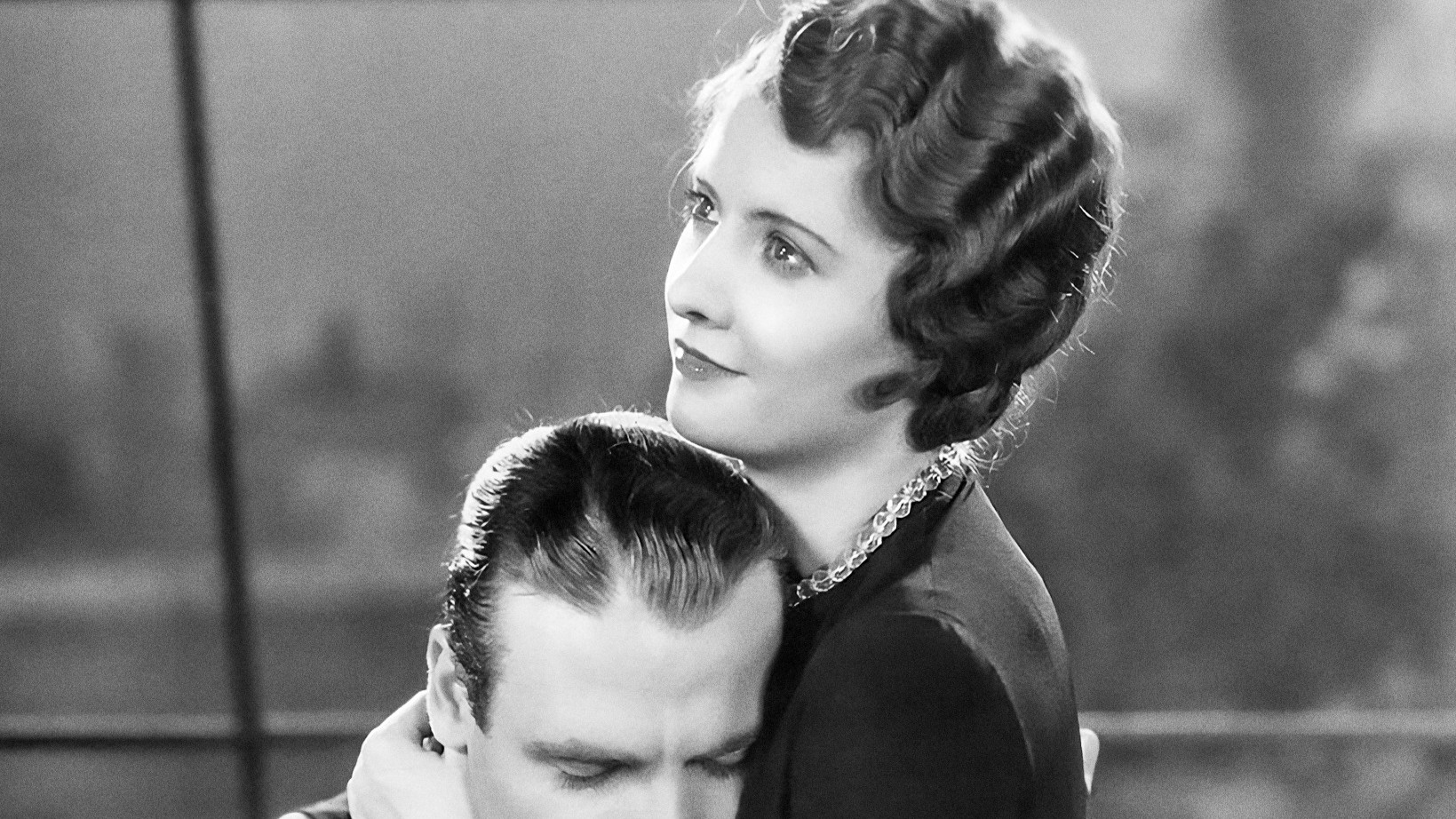
Barbara Stanwyck’s first significant film was directed by Frank Capra, launching what would become one of the most exciting collaborations in cinema. Together they made three more pre-Code films, The Miracle Woman, Forbidden and The Bitter Tea of General Yen, and in 1941 Meet John Doe. Adapted from a stage play, this story of a girl-on-themake had resonance in Stanwyck’s own life in Jazz Age New York with its nightclubs and single-girl roommates and dodgy sources of
income. It was then she shared a flat with Mae Clarke and met another footloose go-getter named Billie Cassin, whom she would meet again in Hollywood as Joan Crawford. Here, this ‘lady’ of leisure is spotted one night by an aspiring painter (Ralph Graves). She’s alone by a lake, in evening dress, deserted by her pals. She’s slangy and common, but fearless. He gives her a ride back to the city, and persuades her to come work for him as a model. But the would-be Pygmalion immediately meets energetic resistance from his Galatea. He wipes off her makeup, keeps trying to change her, to have her “look upward,” and she, unintimidated, just teases and ridicules him. “Artist and model” were sometimes code for another more fleshly transaction, and a nighttime scene suggests intimacy beyond the easel. A change of heart has occurred. The film has some of the awkwardness of early sound, with stilted line readings that betray its origins as a play. Not Stanwyck however, who emerges fully formed, naturalistic, a creature of film. From the moment we first see her, she commands the screen with her unique combination of gumption and glow. She shimmers and glistens in the transfiguring light of Joseph Walker’s cinematography. At a moment later in the film, she’s posing, and now she does look up, in a gesture all her own. Thanks to the catalyst of love, she’s common no more. Her imagination has expanded. And we see that stunning juncture of the erotic and the spiritual that characterizes so many of her performances.
Molly Haskell