

Film notes
This film was inspired by Morgen ist Feiertag, a play by Leo Perutz presented for the first time at the Deutschen Volkstheater in Vienna in 1935. No doubt Luis Saslavsky was attracted to the cynical character with a murky past who returns to a small town after a long time and in an unexpected gesture of generosity saves the husband of his former girlfriend from embarrassment after having committed an indiscretion.
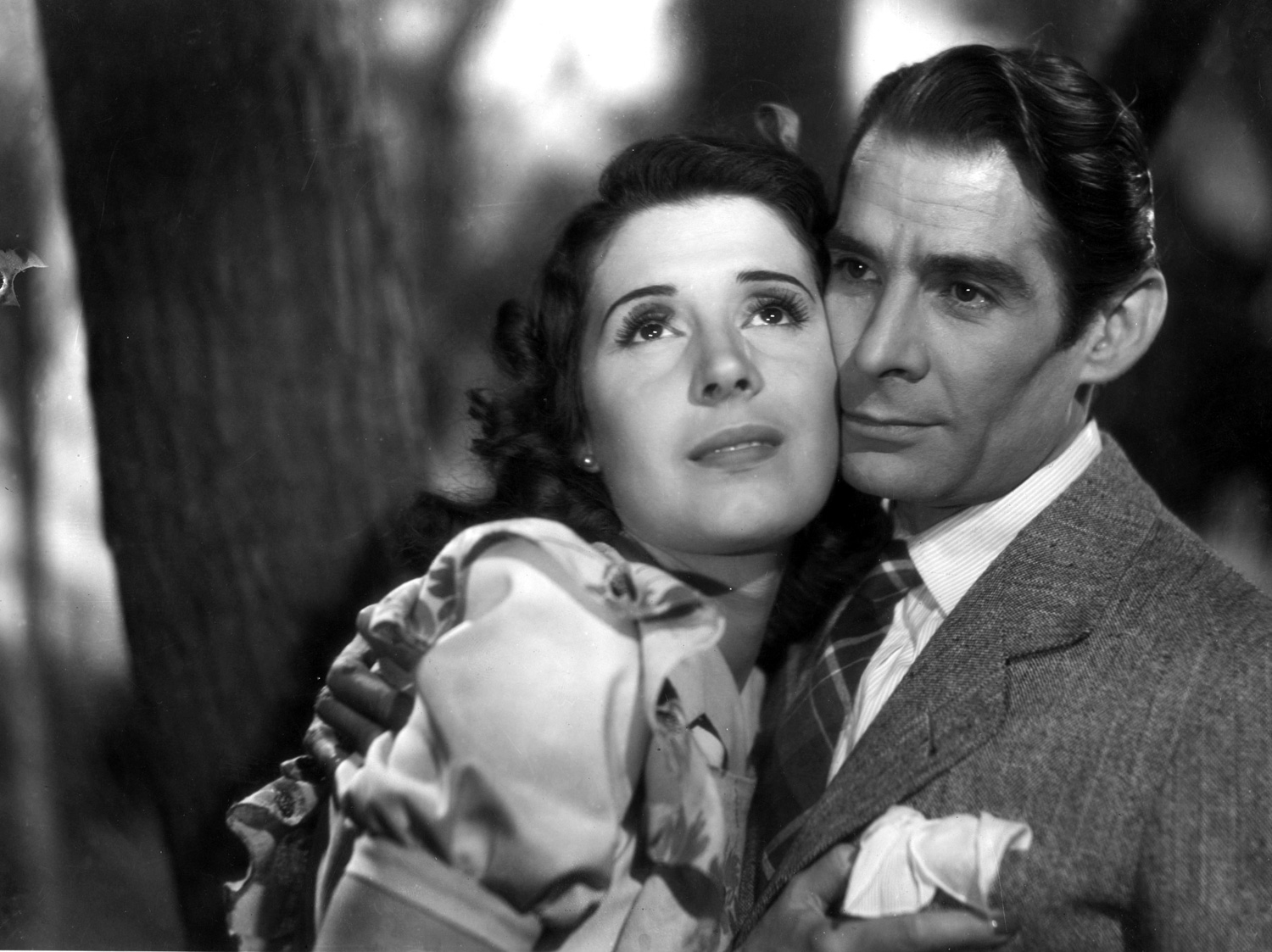
The picture is a subtle mix of romantic comedy and observation of manners with some humorous touches and a hint of skeptic romanticism. After having made a few more daring movies at the end of the 1930s, Saslavsky was a sophisticated filmmaker, a man of taste and a master of smooth story- telling. The shot of the branches seen by the young woman who looks up as she is dancing with her boyfriend was considered a wildly poetic device at the time. Saslavsky also deftly played with the difference between the beautiful unique voice of Pedro López Lagar, a Spanish actor who moved to Argentina after the Spanish Civil War and often cast as a seducer with a dark past, and the voices of Argentine actors Sabina Olmos and Santiago Arrieta, the expression of everyday devoid of mystery.
Long forgotten and recently rediscovered, Perutz was an Austrian novelist admired by Borges who had his The Master of the Day of Judgement translated in the 1940s, a novel that is part thriller and part fantastic. Snubbed by Benjamin, appreciated by Adorno and Musil, Perutz also wrote two plays, minor works that at the time were known to a certain extent. He emigrated to Palestine after Austria was annexed by the Third Reich, and several of his works were translated into Spanish thanks to friends in Buenos Aires. One year later, Saslavsky made Ceniza al viento with an episode inspired by a story by Perutz. In 1965, he directed a poor remake of Historia de una noche in Spain.