Film notes
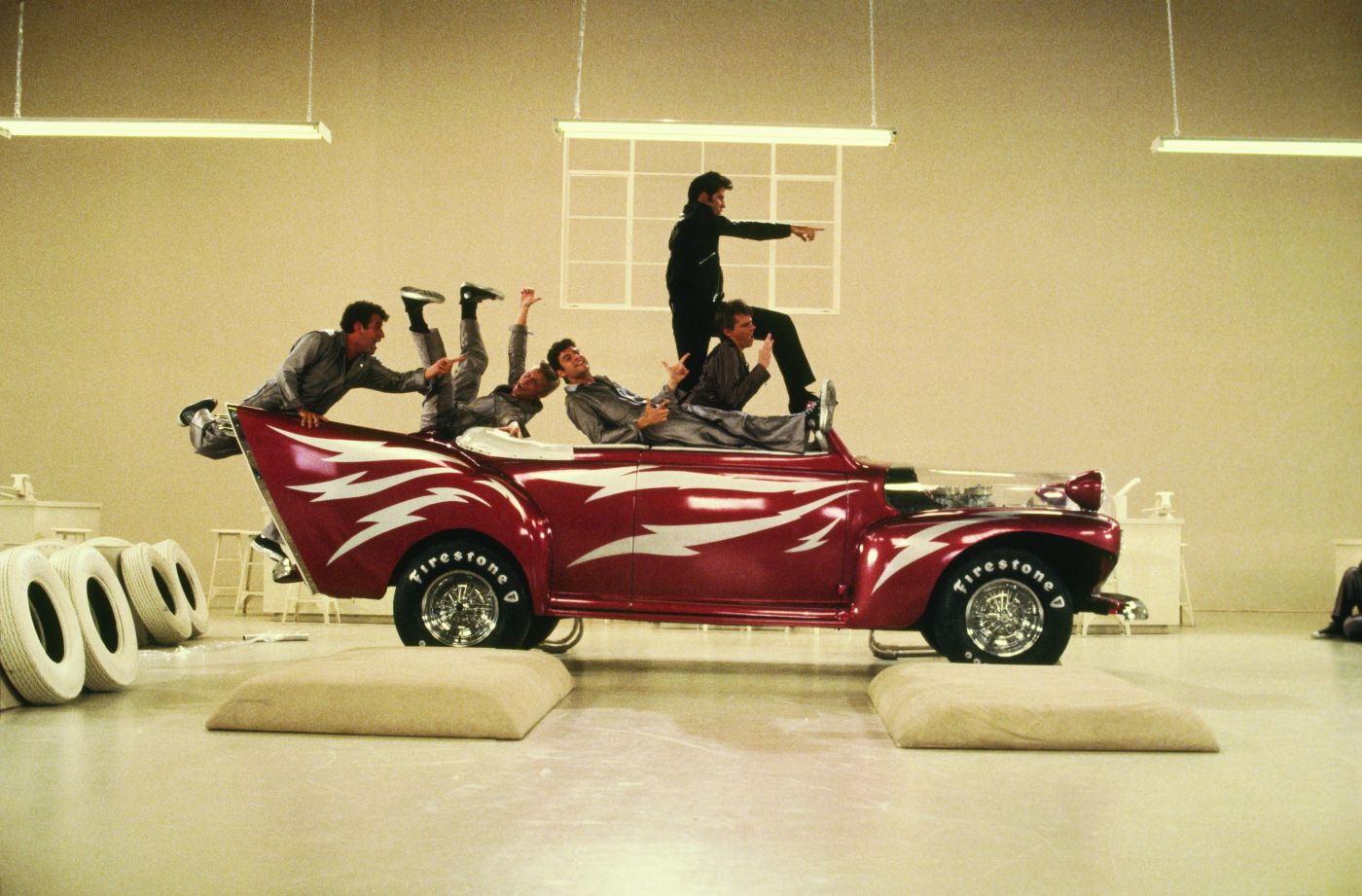
Seventies, American cinema revisited the land of its youthful imaginary. The most successful results were elegies for the last show (Bogdanovich) or graffiti tracing shadowy outlines (Lucas); then this high school musical idyll arrived, relaunching a Broadway success and propelling it towards global fame and endless reruns, both professional and amateur, on stages around the world. The sticky charms promised by the title, Grease, which have stuck to us for forty years, owe much to its end-of-show charm, its vintage comic book aura, its playful mockery of American false innocence (“Look at me, I’m Sandra Dee / lousy with virginity”, sings Stockard Channing, the best character of the merry gang). The trend of the times was for nostalgia, but nostalgia does not really apply here; Grease is a masked ball, a carnival – as the banner on the walls of Rydell School announces – where thirty-year-old actors dress up as high school students. The youngest is the twenty-four-year-old John Travolta, who had already played a minor role in the show’s first season of repeats in 1971, and who was elevated to the role of Danny Zuko by Saturday night’s success. The character was no less crucial in building his star image than that of the more troubled Tony Manero. Grease is a film (like many, fortunately) loved beyond its merits. It lives on thanks to its physical energy and a contagious sense of euphoria. It has aged well, and it helps that its camp elements have only increased with the years. But perhaps the fact is that it is simply the last true musical (not even La La Land, whose orchestration and beauty outclass it, seems to have changed this); in other words, the last musical whose songbook (from Summer Nights to Hopelessly Devoted to You or You’re the One That I Want) has truly entered into the collective memory.
Paola Cristalli