
Film notes
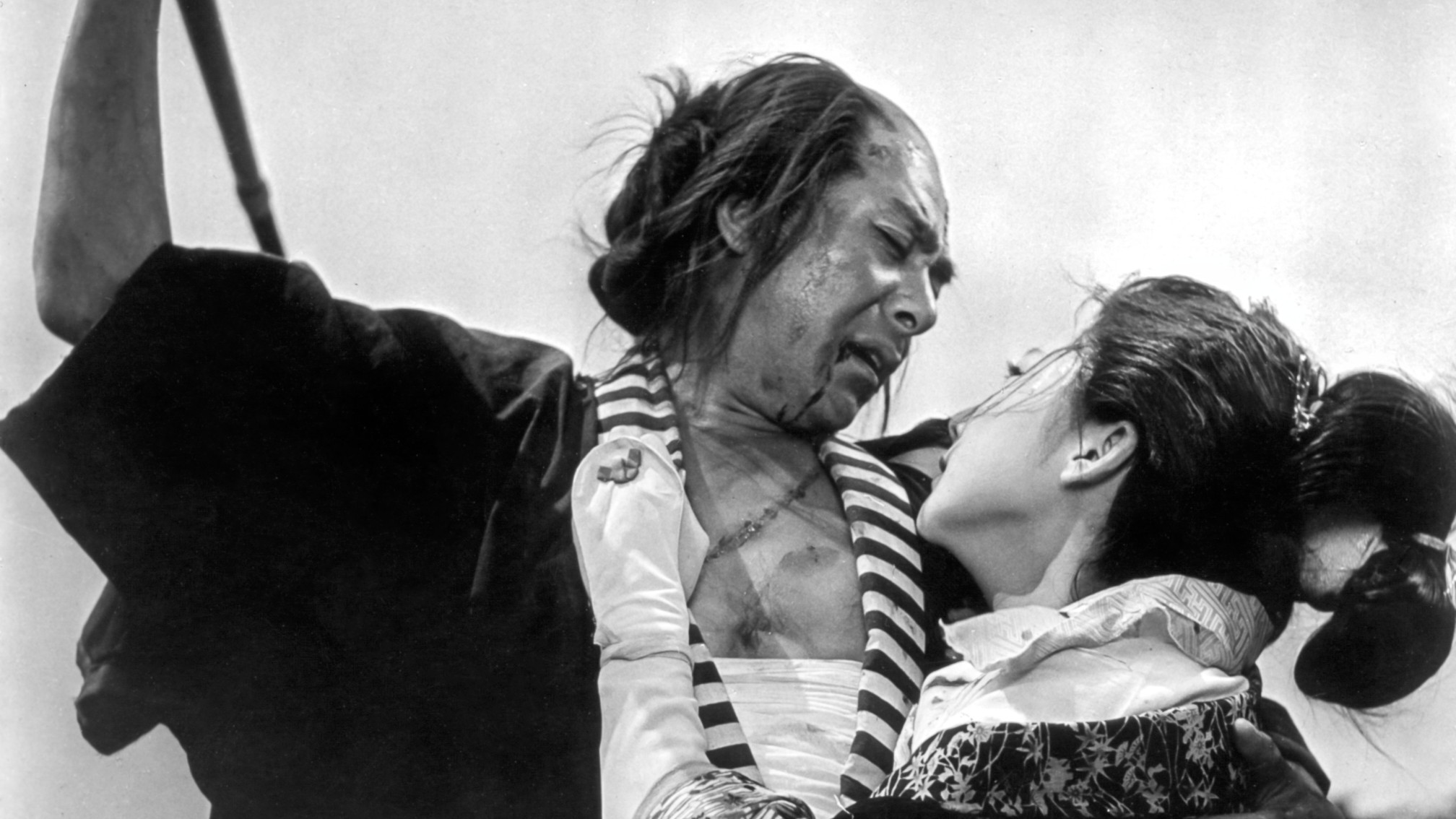
One of the most regrettable losses among the many prewar films by Daisuke Ito which have not survived is The Servant (Gero, 1927), hailed at on release by “Kinema Junpo” critic Fuyuhiko Kitagawa as the director’s finest work to date, and saluted for its unsparing critique of feudalism and subversive portrayal of the relationship between a master and servant. Encouraged by the success of the film, which came ninth in that year’s “Kinema Junpo” critics’ poll, Ito planned to make it the first in a trilogy, an ambition that ultimately went unfulfilled. It was not until the postwar era that he realised Gero no kubi, a film that proved so close in plot, premise and theme to the original silent film as almost to compensate for its loss. The trenchant assault on feudal values is again to the fore in this reworking of a story famously described by Kitagawa as “the tale of a dog bitten by its own master”. Ito originally intended Gero no kubi as a vehicle for his regular lead actor, Tsumasaburo Bando, but it remained unrealised when the latter died in 1953. The script was then rewritten for Jun Tazaki, who had impressed Ito in Meiji Ichidai Onna. Although best known internationally for his roles in kaiju-eiga (monster movies) and science fiction, and for minor roles in films by Akira Kurosawa, Tazaki was in fact an actor of considerable range. This, Masatoshi Oba writes, was “the representative performance from his early career … in which he gives a full and passionate display of his gifts”. Michiko Saga (1934-1992), the daughter of two film stars, Ichiro Tsukita and Isuzu Yamada, played her first leading role here, at Ito’s personal invitation. Akihiko Katayama (1926- 2014), a former child star best known for A Pebble by the Wayside (Robo no ishi, 1938), was also born into a cinematic family as the son of director Koji Shima.
Alexander Jacoby e Johan Nordström