Film notes
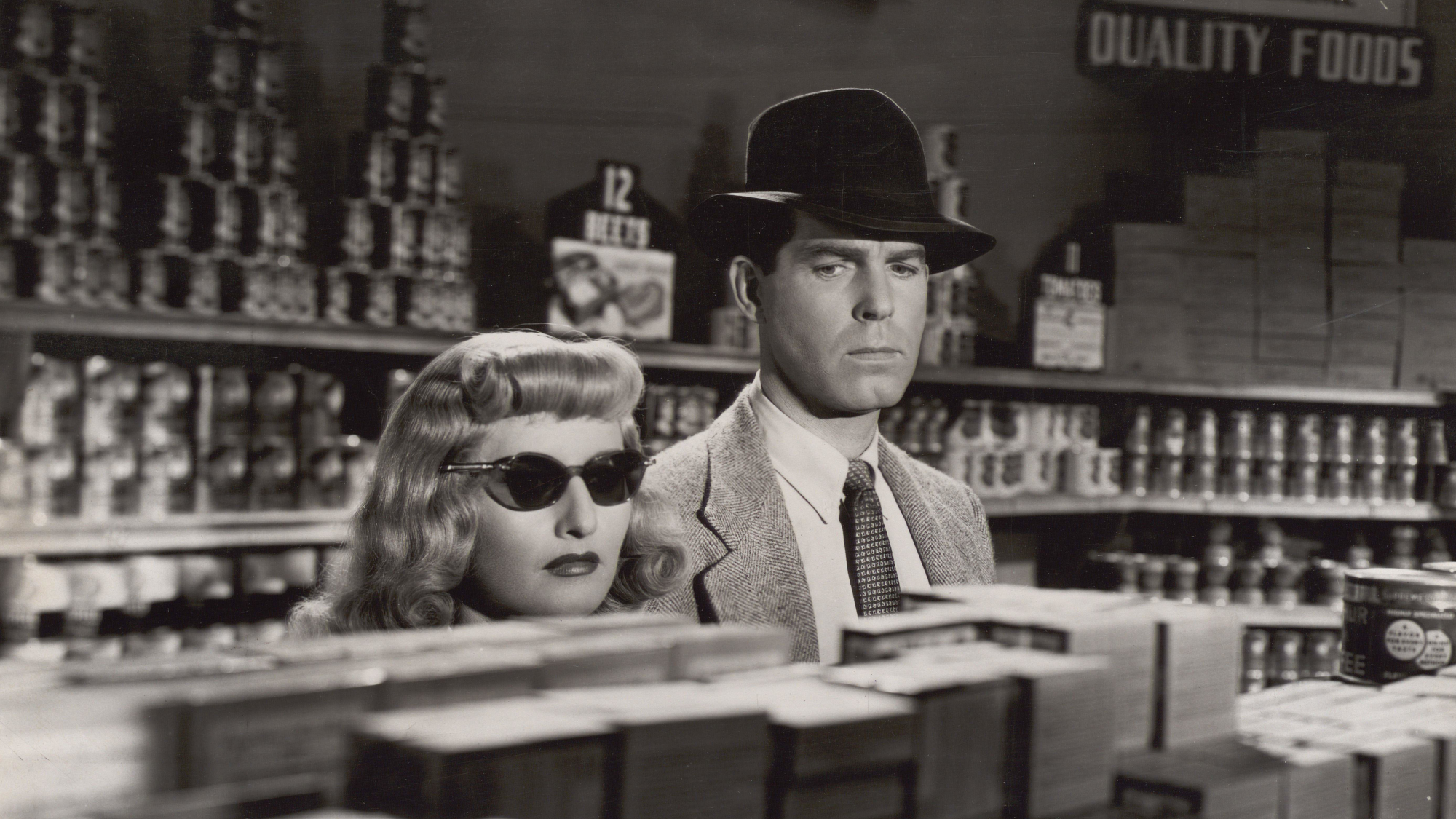
“Are you a mouse or an actress?” Billy Wilder shrewdly challenged Barbara Stanwyck when she hesitated over accepting the role of ice-cold killer Phyllis Dietrichson. The part was risky, and so was the film, Hollywood’s first attempt to tidy up the lurid work of James M. Cain sufficiently to pass muster with the Hays Office. With a near-flawless screenplay by Wilder and Raymond Chandler, who could hardly stand to be in the same room together, Double Indemnity became the most influential example of what the French in 1946 would label film noir. It was Stanwyck’s second of four pairings with Fred MacMurray, who also worried about tarnishing his image by playing the lecherous insurance salesman Walter Neff. For all their racy banter, there is never any real erotic heat between these two: sex is just a cover for their actual shared desire, to cheat the system and get away with it. (The only genuine warmth in the film is between Neff and Edward G. Robinson’s conscientious claims investigator Barton Keyes.) Stanwyck said the wardrobe created by Edith Head, her favorite designer, helped her feel cheap as Phyllis, who embodies the blatant falseness of the American dream. Beneath the tawdry allure and the phony platinum wig, she is quiet and watchful as a deadly spider at the center of her web of lies. In an irony that pushes a recurring theme of Stanwyck’s career – female ambivalence towards domesticity – to new extremes, Phyllis has already killed in order to gain the security of a home and husband, and is now prepared to kill again to escape a suffocating marital prison. Stanwyck observed how the film’s design and cinematography (by the brilliant John F. Seitz) helped her performance, supporting her character’s hatred of “that gloomy, horrible house… the slit of sunlight slicing through those heavy drapes – you could smell that death was in the air, you understood why she wanted to get out of there, away, no matter how.”
Imogen Sara Smith