Film notes
Foto © Filmarchiv Austria
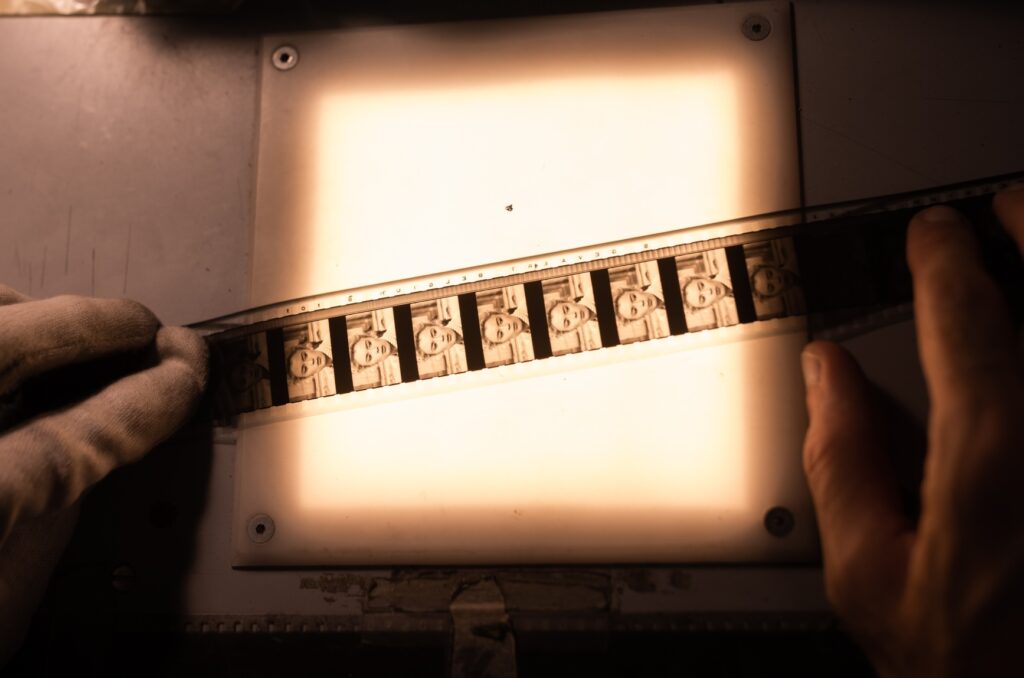
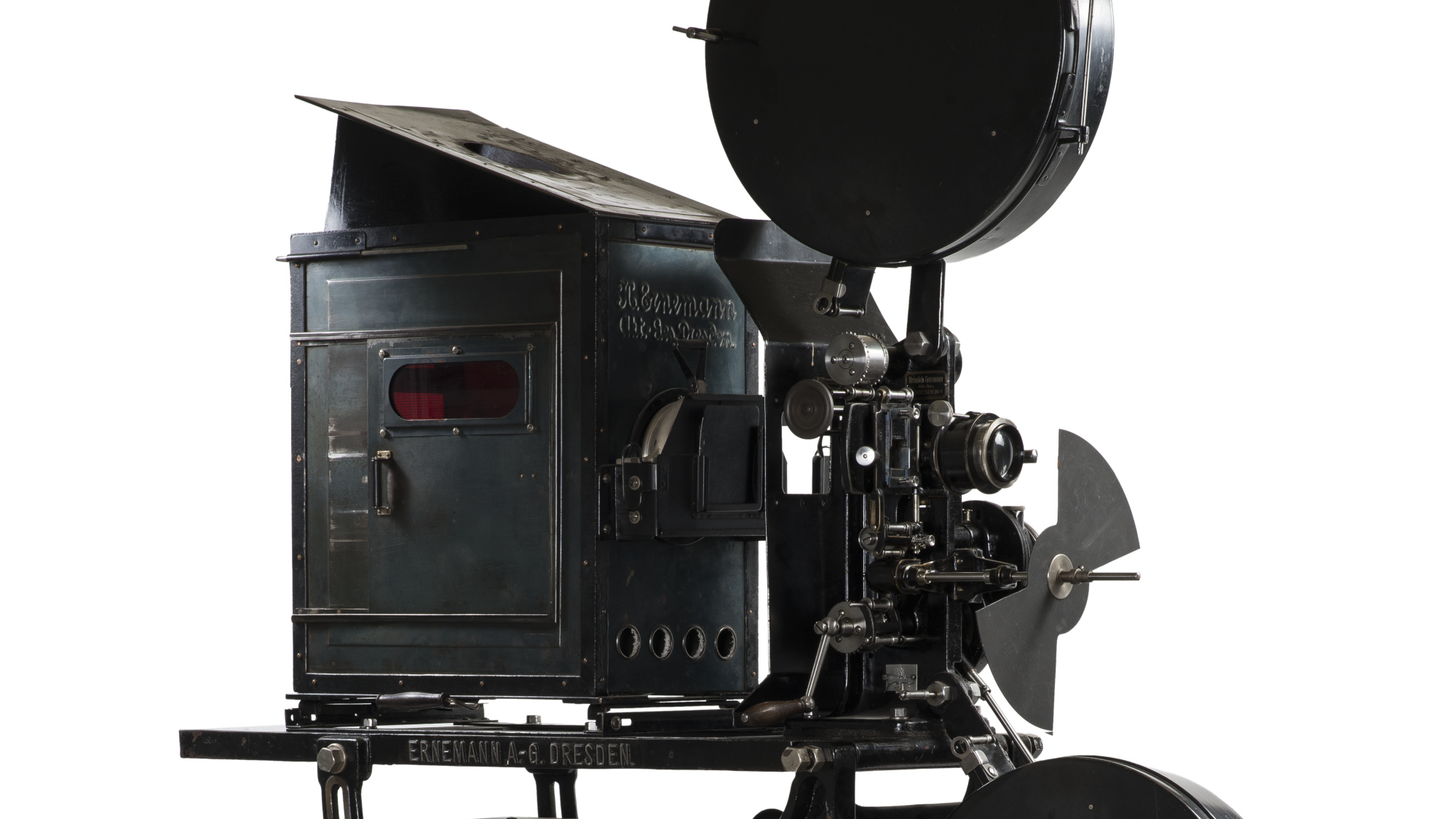
In 1985 a treasure trove of original prints dating from the early days of cinema surfaced in Mödling, a small town near Vienna, Austria. As the films had been stored in a factory producing gold leaf – sheets of paper coated with gold and used to create the lettering on the ribbons of funeral wreaths – the cans emerged from beneath a glittering layer of golden dust. We therefore decided to christen the collection the Goldstaub-Fund (Gold Dust Find). The name turned out to be an apt one, as the collection, the stock of a travelling showman, Karl Juhasz, who toured with programmes mainly of Pathé films, contains many golden gems of early cinema. Juhasz was an important film pioneer in Austria, who not only ran a travelling cinema very early on, but also attracted attention with his inventions in the cinema sector (Kinoplastikon), ran an early permanent cinema and was the chairman of the Reichsverband allerösterreichisch-ungarischen Kinobesitzer (the association of all Austro-Hungarian cinema owners) for many years. The programme presented here is made up almost entirely of films from Juhasz’s collection. The Goldstaub-Fund is today one of the most important collections of early cinema, which has been preserved, restored and brought out of its slumber at the Filmarchiv Austria in Vienna. The programme will be presented using an old hand-cranked Imperatur projector with arc light. The Stahlprojektor Imperator, from the company Heinrich Ernemann AG Dresden, was one of the first in Germany to implement the principles of heavy mechanical engineering and largely dispensed with softer metals such as brass (until then, film projectors had been designed by precision mechanics and were more reminiscent of a fine watch than a heavy machine). Released in 1909, the Imperator was present in most Boulevard cinemas in Paris by 1914, according to the company’s advertising. It was copied by a large number of companies worldwide and in production until the early 1930s. Adapted with sound equipment, it could be found in small provincial cinemas until the 1970s. The machine used in Bologna is one of the earliest surviving examples and is operated with the original arc light.
Nikolaus Wostry