Film notes
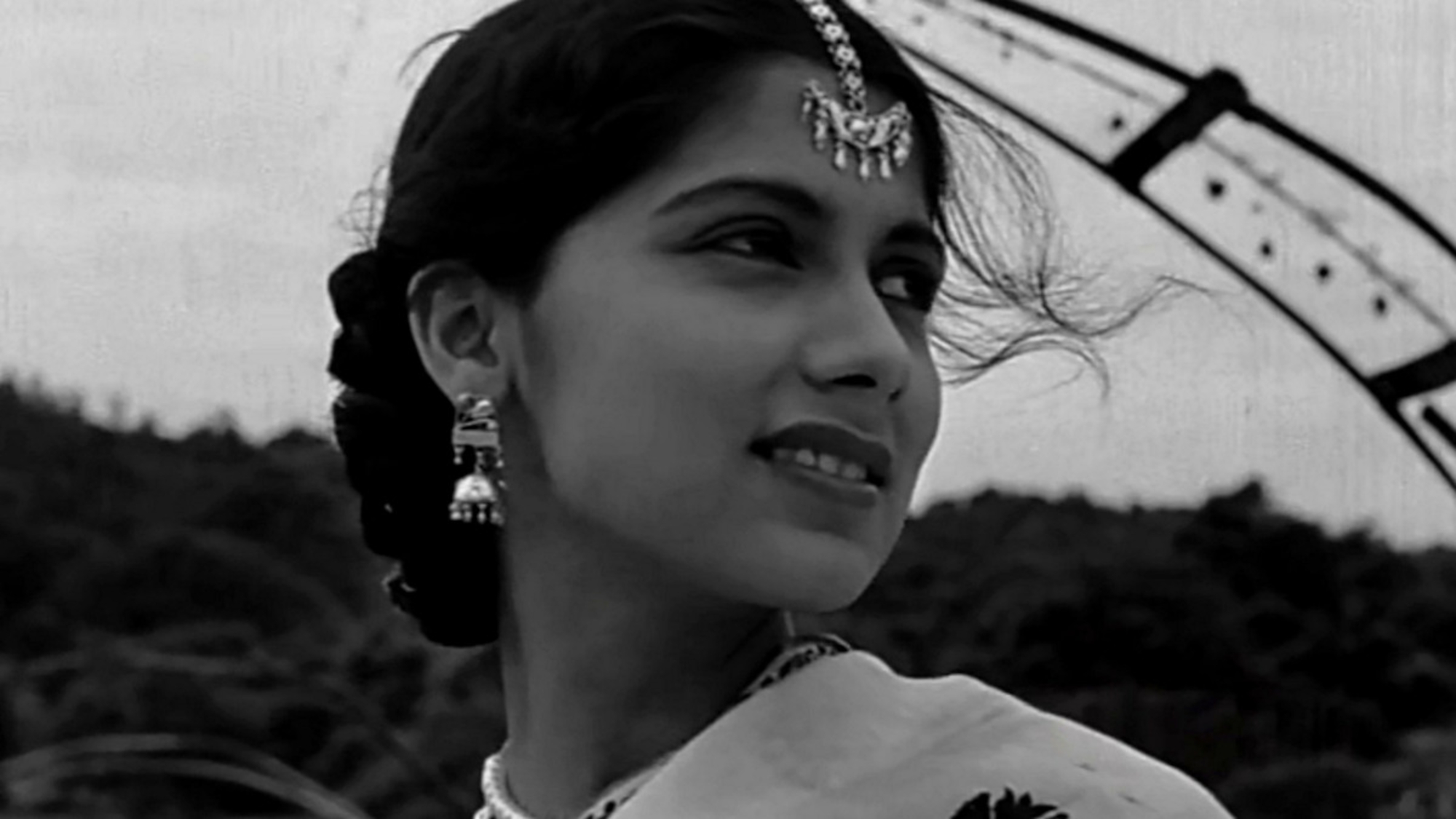
An exploration of unlikely companionship between a human and a machine, set in rural India, Ajantrik tells the story of Bimal and Jagaddal, the car he bought when his mother died. Blending humanist drama, absurdist humour and inventive sound design, the film transforms a machine into a living character, offering a reflection on modernity, alienation and connection. Sanghita Sen A refugee of India’s Partition, Ritwik Ghatak first thought of Ajantrik when the fledgling nation had been pulled apart into warring states, suppressing their own varied people, impoverishing themselves through repeated crises of identity. The original inhabitants of India lived in its central forests and have been truly independent of any colonisation. Ghatak had lived among the Oraons at the eastern end of these forests, and knew that even those who lived on the periphery of their cosmos, such as himself, could counterpoint the violent waves of civilisation’s upheavals through collective compassion, born of eros and its epistemes. Dance, movement and fluttering banners are forms that have grown from mere fetishes of individuals to alankaras, or figures of speech and music. They in turn can yield the abstractions to approximate signs. The notations, then, can create realisations of science and art, narrative beyond chronologies. The title Ajantrik extends the word “jantrik” (mechanical) to suggest its antithesis. We have seen the end of the era that hegemonized the mechanical over the organic and the self-transformative. In this film of episodes that leads to multivalent interpretations, having no end or targeted object as it were, Ghatak wants to restore to us the signs that the Oraons and others like them (spread all over the earth) sought to find in their experience. It seems to me that the movement of dance frees the fetish from its otherworldly awe, making us both ecstatic and attentive. The fresh tribal air that wafts through the film gives us a promise of primeval freedom, from enclosing ourselves in any garb of stitched habit. The magic can never be levelled to a linear narrative with a beginning, middle and end. It is ‘episodic’, iterative, moves in curves and spirals that seem to open up an impel expression, contain and liberate from its grasp inner feeling, the secret of energy, desire, of ornament forever being stolen from the divine bride.
Kumar Shahani