Lino brocka – restorations
With Weighed But Found Wanting, Cineteca di Bologna and L’Immagine Ritrovata laboratory once again celebrate the work of Lino Brocka, following the restorations of Insiang (1976) and Manila in the Claws of Light (Maynila Sa Kuko ng Liwanag, 1975) in 2015, which helped bring renewed international attention to the Filipino master of cinema.
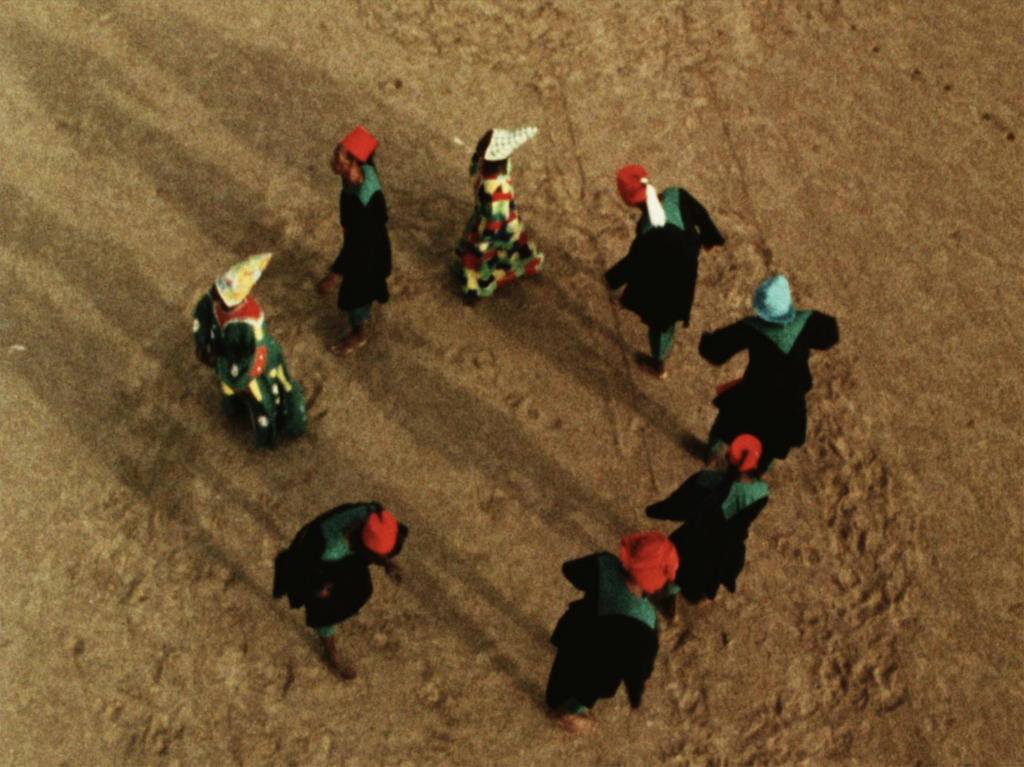
Weighed But Found Wanting (Tinimbang Ka Ngunit Kulang, 1974), now restored to its original splendour, will screen in the “Cinemalibero” section of the 40th edition of Il Cinema Ritrovato. Restored in 4K in 2026 by the Film Development Council of the Philippines (FDCP), the Philippine Film Archives (PFA), Carlotta Films, and Janus Films – The Criterion Collection at L’Immagine Ritrovata laboratory, from the original picture and sound negatives, with the exception of reels 1 and 6. These elements were restored, respectively, from a combined internegative and a positive print preserved at the BFI National Archive, who provided the scans.
“After winning over a wide audience in commercial cinema, Lino Brocka emerged with Tinimbang Ka Ngunit Kulang as one of the brightest voices of modern Filipino cinema. The film burst onto the scene ‘like a rock flung through a plate-glass window’ (Noel Vera), signalling a profound shift in tone, ambition, and social consciousness, and later came to be recognised as one of the works that inaugurated the Golden Age of Philippine cinema in the 1970s. Set in Nueva Ecija, the rural province where Brocka himself grew up, the film follows Junior, the sensitive son of a wealthy family, and his friendship with Berto, a volatile outcast mocked and feared by the community. Around them unfolds a world shaped by gossip, religious hypocrisy, class prejudice, and cruelty disguised as respectability. As critic Noel Vera observed, with Junior, Brocka inscribes himself within a cinematic tradition stretching from I vitelloni to The Last Picture Show: portraits of provincial youth whose coming of age unfolds through disillusionment and the painful discovery of social reality. More than its central plot, what gives the film its lasting force is its attention to the absurdities and cruelties of everyday provincial life. Its emotional core resides above all in Kuala – a woman mocked and humiliated after an abortion – and Berto, the community’s most rejected figures, and in the ‘simple yet devastating
love story found at the bottom of this world’. Brocka’s understanding of society’s outcasts did not arise from distance, but from an intimate familiarity with exclusion and moral judgment. Returning cinematically to the landscape of his youth, he transforms the seemingly quiet rhythms of provincial life into a piercing portrait of Filipino society, where Catholic morality, entrenched hierarchies and the promises of modernisation mask deeper currents of violence and repression. In this sense, Tinimbang Ka Ngunit Kulang already anticipates the political force of Brocka’s later work under Marcos: films that turned cinema itself into a space where authoritarian structures could be confronted and quietly subverted from within” (Cecilia Cenciarelli).